In today’s competitive real estate market, knowing how to generate real estate leads online is no longer optional—it’s essential. Traditional methods like yard signs and newspaper ads are fading, while buyers and sellers now begin their journey on Google, Zillow, and social media. Rising ad costs and shrinking attention spans make lead generation challenging, but this guide gives you 10 proven strategies to build a steady pipeline of qualified, cost-effective leads.
Why Online Lead Generation Matters for Real Estate
Before we dive into the tactics, let’s clarify why a strong online presence is non-negotiable.

- Cost-Effectiveness: Compared to traditional methods like direct mail or print advertising, online marketing for real estate agents offers a much higher return on investment. You can target your ideal audience with precision, ensuring your budget is spent attracting people most likely to convert.
- Wider Reach & Precise Targeting: An online strategy allows you to reach thousands of potential clients far beyond your immediate physical network. With tools like Facebook Ads, you can target users by demographics, interests, life events (e.g., “newly engaged” or “recently moved”), and even income level.
- Building Authority & Trust: By sharing valuable content online, you position yourself as the local expert. When people consistently see your insightful market updates and helpful guides, they begin to know, like, and trust you—making them far more likely to choose you when they’re ready to buy or sell.
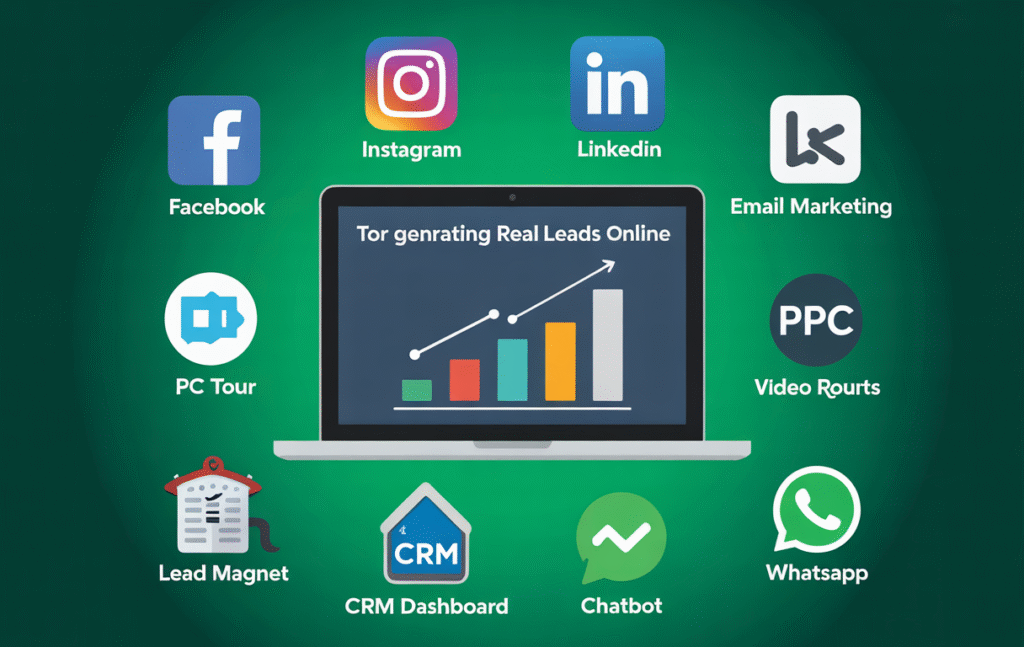
10 Proven Strategies: How to Generate Real Estate Leads Online
Here are the ten most effective strategies to fill your funnel with qualified prospects.
1. Optimize Your Real Estate Website for SEO
Your website is your digital storefront. If it’s not optimized for search engines, you’re missing out on a huge volume of free, organic traffic.
- Focus on Local SEO: This is crucial. Create dedicated pages for each neighborhood or community you serve. Use keywords like “Homes for Sale in [Neighborhood Name]” and include local market statistics, school information, and community highlights.
- Publish Consistent, Keyword-Rich Content: A blog is your most powerful SEO tool. Regularly write articles that answer your potential clients’ questions, such as “First-Time Home Buyer Guide in [City]” or “What’s My Home Worth in [City]?”.
- Ensure Mobile-Friendliness: The vast majority of home buyers search on mobile devices. If your site is slow or hard to use on a phone, you’ll lose leads instantly.
2. Run Facebook & Instagram Ads with Local Targeting
Social media platforms are goldmines for social media real estate leads. Their sophisticated targeting options allow you to get your listings and services in front of a hyper-specific audience.
- Use Lead Ads: Facebook’s lead ad form allows users to express interest without ever leaving the platform. This drastically reduces friction and is perfect for offering home valuations, buyer guides, or open house registrations.
- Retarget Website Visitors: Install a Facebook Pixel on your website. This lets you show ads to people who have already visited your site or viewed a specific listing, keeping you top-of-mind.
- Showcase Listings with Stunning Visuals: High-quality video tours and photo carousels of your newest listings perform exceptionally well and can generate immediate inquiries.
3. Use LinkedIn for B2B Property Deals and Networking
While Facebook and Instagram are great for residential leads, LinkedIn is the undisputed king for B2B connections and commercial real estate.
- Build Your Professional Network: Connect with local mortgage brokers, attorneys, contractors, and other agents. A strong network can become a consistent source of referrals.
- Publish Industry Insights: Share your expertise on market trends, investment opportunities, and commercial property. This establishes your credibility and attracts serious investors and business clients.
4. Leverage Google PPC Advertising
When someone searches “realtor in [your city]” or “homes for sale near me,” you want to be at the top of the page. Real estate PPC advertising (Pay-Per-Click) on Google makes that happen instantly.
- Geo-Target Your Campaigns: Set your ads to appear only for users within your specific service areas to avoid wasting money on irrelevant clicks.
- Use Specific Keywords: Bid on long-tail keywords like “3 bedroom condo for sale in [City]” which have lower competition and higher intent than broad terms like “real estate.”
- Create Dedicated Landing Pages: Don’t send paid traffic to your homepage. Send them to a dedicated landing page tailored to the ad they clicked, with one clear call-to-action (e.g., “Get Your Free Home Valuation Report”).
5. Build an Email Marketing Funnel with Listings
Email remains one of the most effective channels for nurturing leads and closing sales. A robust real estate email marketing strategy turns cold leads into hot clients.
- Segment Your Lists: Don’t send the same email to everyone. Segment your list into buyers, sellers, past clients, and geographic areas. Send relevant content to each group.
- Provide Immense Value: Your emails shouldn’t just be “list of the day.” Include valuable market updates, home maintenance tips, and local community news. This keeps your audience engaged even when they’re not actively in the market.
- Automate Drip Campaigns: Set up automated email sequences for new leads. For example, when someone downloads your buyer’s guide, they automatically get a series of emails with more tips, featured listings, and an invitation to schedule a call.
6. Create High-Value Content (Blogs, Video Tours, Guides)
Content is the fuel for your entire real estate digital marketing engine. It attracts, engages, and converts visitors without being overly salesy.
- Virtual Video Tours: 360-degree video tours and drone footage are no longer luxuries; they’re expectations. They give online buyers an immersive experience and generate high-quality leads.
- Write Definitive Guides: Create comprehensive, in-depth guides like “The Ultimate Guide to Selling Your Home in [City].” These become valuable resources that people are willing to exchange their email address for.
- Answer Common Questions: Use your blog to answer every question a buyer or seller might have. This builds trust and captures search traffic from people at every stage of the journey.
7. Offer Free Lead Magnets
A lead magnet is a free, high-value item you offer in exchange for a prospect’s contact information. It’s the cornerstone of building your email list.
- Instant Home Valuation Tool: This is a powerhouse lead generator. Promote a free, no-obligation home valuation report on your website and social media.
- Market-Specific Guides: “Neighborhood Guide to [Area Name]” or “2024 Buyer’s Guide for [City]”
- Checklists: “Home Seller’s Preparation Checklist” or “Final Walk-Through Checklist for Buyers”
8. Join Online Communities & Real Estate Groups
Be where your potential clients are already hanging out online.
- Facebook Neighborhood Groups: Join local community and neighborhood groups. Don’t spam them with listings. Instead, become a helpful contributor. Answer questions about the local market, provide advice, and establish yourself as a friendly expert. When you provide value first, people will naturally seek you out.
- Nextdoor: This hyper-local platform is perfect for connecting with neighbors. Share your listings and open houses, but also post about local events and news to build community goodwill.
9. Automate Follow-Ups with a CRM Tool
The fortune is in the follow-up. A Customer Relationship Management (CRM) system automates this process, ensuring no lead falls through the cracks.
- Set Up Drip Campaigns: Automatically send new leads a series of emails or text messages to nurture them.
- Schedule Reminders: The CRM will remind you to call a lead 3, 7, or 30 days after they first made contact, keeping your pipeline organized.
- Track Interactions: Log every call, email, and showing so you have a complete history of every client interaction.
10. Use Chatbots & WhatsApp Marketing
Instant engagement is key to capturing leads who are browsing outside of business hours.
- Website Chatbots: Implement a chatbot on your website to answer common questions (e.g., “What’s the price of this listing?”) and capture lead information 24/7.
- WhatsApp Business: In many markets, WhatsApp is a preferred communication channel. Use it to share property details, video tours, and documents directly and personally with potential buyers and sellers.
Common Mistakes to Avoid in Real Estate Lead Generation
Even the best strategies can fail if you make these critical errors:
- Being Too Pushy, Too Soon: Online leads need nurturing. Don’t call a brand-new lead and immediately try to hard-sell them. Provide value first.
- Ignoring Follow-Ups: It can take 5-12 touches to convert a lead. If you give up after one email, you’re leaving money on the table. Automate your follow-ups!
- No Clear Call-to-Action (CTA): Every webpage, social media post, and ad must tell the user exactly what to do next: “Download Now,” “Schedule a Call,” “Register Today.”
Best Tools for Real Estate Lead Generation
Leverage these tools to execute your strategies efficiently:
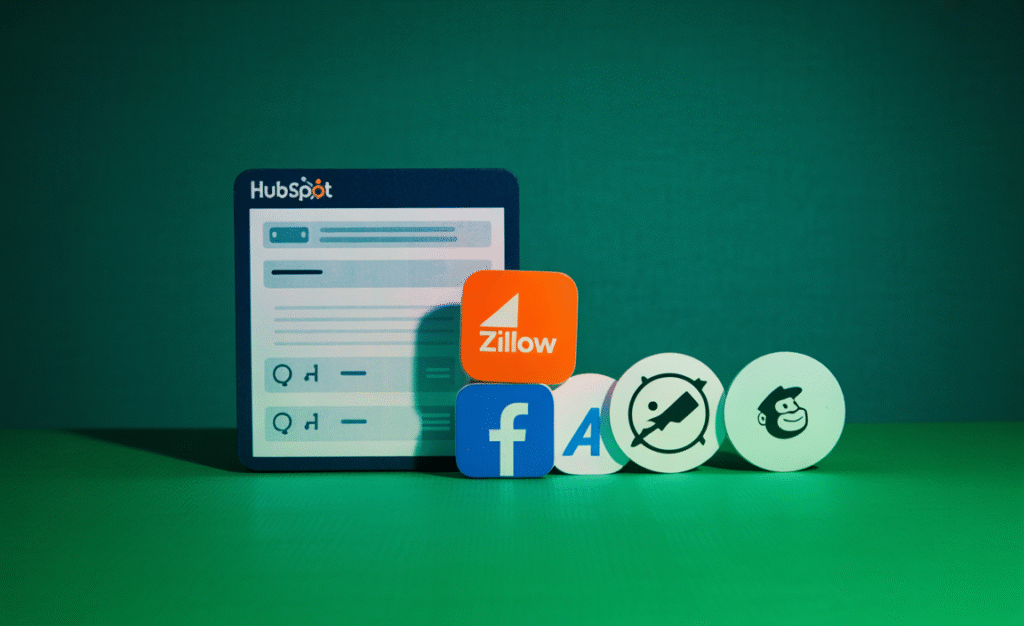
- HubSpot CRM: A powerful, free CRM perfect for managing leads and automating email sequences.
- Zillow Premier Agent: A paid platform to buy buyer/seller leads from the largest real estate portal. Requires a strong conversion process.
- Facebook Ads Manager: The essential tool for creating and managing highly targeted social media ad campaigns.
- Mailchimp: A user-friendly platform for building email lists and creating beautiful real estate email marketing campaigns.
Conclusion & Call to Action
Mastering how to generate real estate leads online is a process of consistent execution. It’s not about using one magic tactic, but about building a synergistic system where your SEO brings people to your website, your lead magnets capture their information, your email marketing nurtures them, and your CRM helps you close the deal.
The strategies we’ve covered—from optimizing your website and running targeted ads to creating incredible content and automating follow-ups—provide a complete blueprint for building a sustainable, scalable online lead generation machine. The key is to start. Pick one or two strategies from this list, implement them well, and then gradually add more to your marketing arsenal.
Want to generate more real estate leads but don’t have the time or expertise to manage it all? You don’t have to do it alone. Contact us today for a customized marketing plan designed to fill your pipeline with qualified, ready-to-act leads.
Pingback: Step-by-Step Guide: How to Generate Leads on Social Media for Small Businesses – Fazz Marketing